
UBUNTU
Africa's Gift of Humanity

By Jean Claude Dusabimana, Ayina Think Tank
“I am because you are” or “I am because we are” is one of Africa’s greatest contributions to humanity. Ubuntu teaches that a person becomes fully human through relationships, compassion, unity, and community. Rooted in Southern African Bantu languages, especially Zulu and Xhosa traditions, Ubuntu expresses a deep understanding of human interconnectedness.
“Umuntu ngumuntu ngabantu”
“A person is a person through other people.”
Ubuntu existed in African oral traditions for centuries before appearing in written records during the mid-1800s. It later became globally recognized through Africa’s liberation struggles, particularly during the fight against apartheid in South Africa.
Nelson Mandela and Ubuntu
One of the most significant historical moments associated with Ubuntu occurred in 1990 when Nelson Mandela was released after 27 years in prison. Rather than seeking revenge, Mandela promoted reconciliation, forgiveness, and nation-building grounded in Ubuntu principles. His leadership demonstrated that healing and unity could triumph over hatred and division.
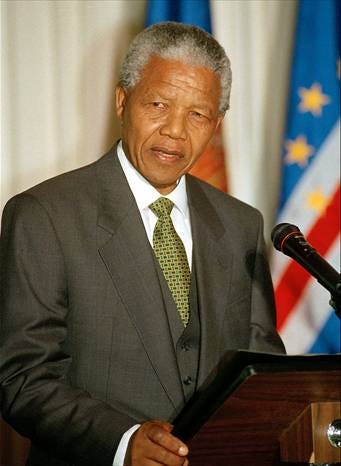
Nelson Mandela — First democratically elected President of South Africa
Mandela, one of the most prominent advocates of Ubuntu, once described it by recalling traditional African hospitality:
“In the old days, when we were young, a traveller through our country would stop at a village, and he didn’t have to ask for food or water. Once he stopped, the people gave him food and entertained him. That is one aspect of Ubuntu.”
Archbishop Desmond Tutu and Reconciliation
Another key figure was Archbishop Desmond Tutu (1931–2021), who passionately advocated for Ubuntu during and after apartheid. In 1996, he chaired South Africa’s Truth and Reconciliation Commission (TRC), where victims and perpetrators of apartheid crimes came together to reveal the truth and pursue healing instead of revenge. This became one of the world’s most celebrated examples of restorative justice inspired by Ubuntu.
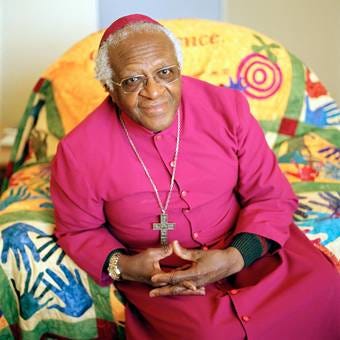
Archbishop Desmond Tutu — Nobel Peace Prize Laureate and TRC Chairman
“My humanity is bound up in yours, for we can only be human together.”
Tutu further explained Ubuntu through an African proverb found in many African languages: “A person is a person through other persons.”
Tutu emphasized that everything we learn and experience in life comes through our relationships with others. Ubuntu therefore calls us to examine not only our actions, but also how those actions affect the people around us. At its simplest level, Ubuntu resembles the Golden Rule found in many faith traditions: “Do unto others as you would have them do unto you.”
However, Ubuntu goes even deeper. It is not merely about acts of kindness; it is a way of being. It challenges us to recognize the infinite worth and dignity of every human being we encounter. How we speak, walk, live, and relate to others becomes a reflection of our humanity.
The Values of Ubuntu
Ubuntu teaches several important values:
• Humanity and kindness
• Respect for others
• Community before selfishness
• Forgiveness and reconciliation
• Sharing and cooperation
• Collective progress
This philosophy has profoundly shaped African leadership and inspired global movements for peace, justice, and human dignity. Today, Ubuntu continues to be studied in philosophy, theology, education, leadership, psychology, and conflict resolution across the world.
“When one person rises, the community rises. When one suffers, everyone is affected.”
Ubuntu reminds us that no one succeeds alone. Our strength, identity, and future are deeply connected to one another.
Professor Lovemore Mbigi: Ubuntu in Leadership
Professor Lovemore Mbigi, a celebrated scholar in African management and psychology, who passed away in Harare, Zimbabwe on 26 June 2023, left behind a remarkable body of work that continues to resonate across the continent. Mbigi contributed significantly to modern understandings of Ubuntu philosophy.
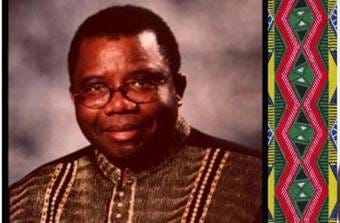
Professor Lovemore Mbigi — Scholar of African Management & Ubuntu Philosophy
He successfully brought African concepts and cultural practices into academic and organizational leadership spaces. For Mbigi, Ubuntu provided a foundation for effective human resource management. Ubuntu emphasizes togetherness, shared purpose, and collective achievement. He argued that organizations flourish when they embrace compassion, cooperation, and communal responsibility.
“Ubuntu calls for us to lend a helping hand in our communities. This can be done by donating to those less fortunate, helping elderly citizens, volunteering in charities, initiating food drives, or cultivating food gardens to improve food security for impoverished communities.” — Nomonde Mnukwa
Ubuntu Through the Eyes of World Leaders
Across Africa and beyond, influential leaders have embraced the philosophy of Ubuntu and humanism as guiding principles for building compassionate, inclusive, and connected societies.
Barack Obama — United States

Barack Obama — 44th President of the United States
During Nelson Mandela’s memorial service in 2013, President Barack Obama described Ubuntu as Mandela’s greatest gift:
“There is a word in South Africa, Ubuntu, that describes his greatest gift: his recognition that we are all bound together in ways that can be invisible to the eye.”
Thabo Mbeki — South Africa
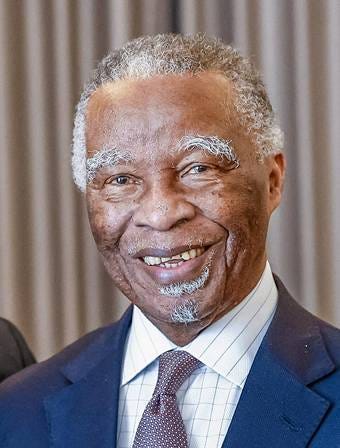
Former South African President Thabo Mbeki
Former South African President Thabo Mbeki championed a return to the humanist principles of Ubuntu in 2007. He stated:
“Ubuntu, which reminds us that a person is a person through other people, does not allow for an individualism that overrides the collective interests in a community.”
Mbeki emphasized that humanity is deeply interconnected and that individual success should never come at the expense of the wider community.
Kenneth Kaunda — Zambia
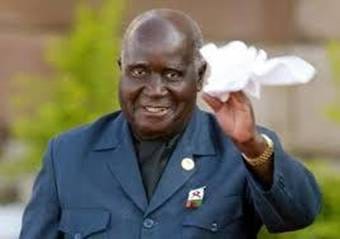
Former Zambian President Kenneth Kaunda (1924–2021)
In the early 1960s, Zambia’s founding President Kenneth Kaunda wrote extensively about “Zambian Humanism,” a philosophy rooted in African values, spirituality, and social responsibility. Kaunda explained:
“Zambian Humanism came from our own appreciation and understanding of our society. Zambian Humanism believes in God, the Supreme Being. It believes that loving God with all our soul, all our heart, and with all our mind and strength will make us appreciate the human being created in God’s image. If we love our neighbour as we love ourselves, we will not exploit them but work together with them for the common good.”
Kaunda’s vision promoted dignity, equality, and cooperation as the foundation for national unity and development.
Bill Clinton — United States

Former U.S. President Bill Clinton
Former U.S. President Bill Clinton reflected on humanity’s shared connection after the sequencing of the human genome:
“When we finished sequencing the human genome, we discovered the astonishing fact that genetically every human being on the planet is more than 99.9% identical.”
Clinton further noted that when people are able to see themselves in others, the world becomes “richer, kinder, and more connected.” He explained the essence of Ubuntu:
“Ubuntu should not be confused with kindness. Kindness is something we may try to show more of, but Ubuntu goes much deeper. It recognises the inner worth of every human being, starting with yourself.”
A Living Philosophy
This philosophy continues to inspire organizations and institutions around the world. The Ayina Think Tank embraces the Ubuntu spirit in its mission to advance the betterment and dignity of every human being.
I am because we are.
About the Author
Jean Claude Dusabimana is a researcher and writer at Ayina Think Tank, Kigali, Rwanda.
About Ayina Think Tank
Ayina Think Tank is a Pan-African research and mentoring institute based in Kigali, Rwanda, dedicated to empowering young people through character education, leadership development, and intellectual dialogue. Learn more at ayinathinktank.rw